|

A sunrise rain storm at sea as we came into Hilo.
 
A full moon over Mauna Loa volcano, which was lit by the sunlight
while the rest of the island was dark.
 
The Hawaiian troupe celebrated the morning as we were approaching
Hilo. We had enjoyed their demonstrations, history lessons through
music, lei making, and more on the sea days from Vancouver to
Hilo.
 
Waiting for a bus. Gold Dust Day Gecko, a native to Madagascar,
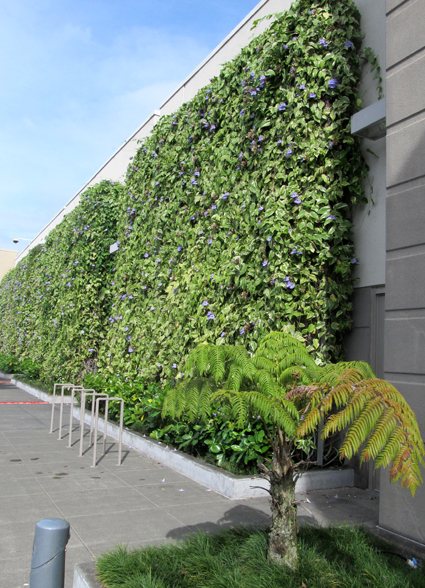 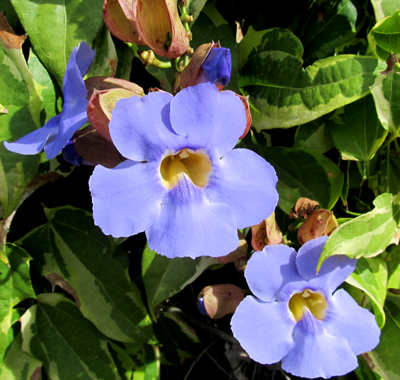
A green wall--Hawaiian style: sky vine (Thunbergia grandiflora).
Breadfruit, a canoe crop, which I talked about in my presentations.
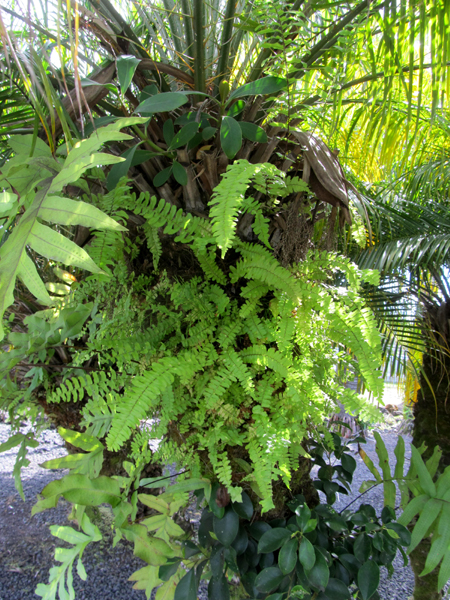
And a fern-covered palm trunk.
 
The screwpine's fruit is huge and the separate pieces are called
keys and are sometimes used in traditional leis.
 
Down by the water, a Hawaiian swimming crab.


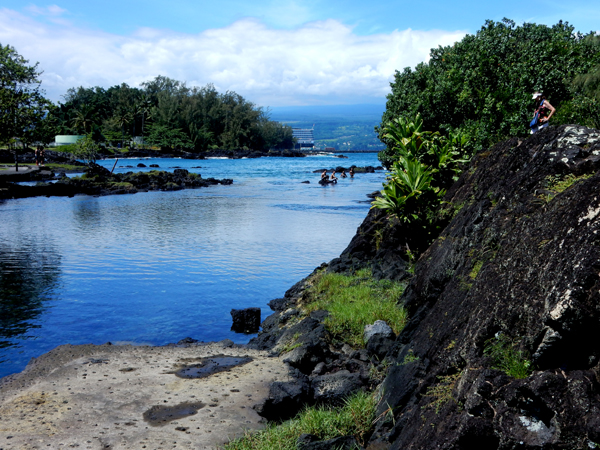
Whole families were enjoying the shoreline parks.
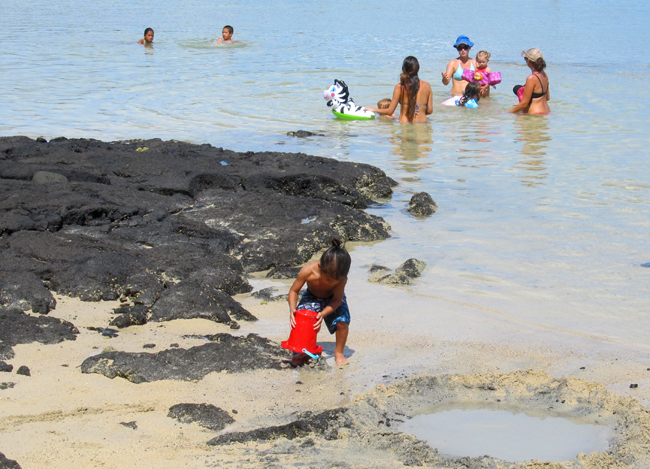
Even small boys had Hawaiian-style man-buns.

We continued along the shoreline.

We heard thrashing in the saltmarsh. We went to see what was causing
this commotion. It was a large sea turtle.

It made its way back to the tidal pool, but probably had to wait
until higher tide to swim back out to sea.


In my canoe crops presentation, people may have had a hard time
believing that a well-managed 1-acre taro pond can produce 3 to
5 tons of food annually, but when you see how large taro can get
and the fact that they also raised fish in those ponds that added
to the harvests, then the numbers look more reasonable. Taro was
and is important on Hawaii, because poi is made from the tuber.
 
As we were leaving the park, we saw families of these small birds,
which were Saffron Finches--actually not a finch, but a tanager
native to South America. Fun to watch, but hard to photograph.

The park sign as we left.
|

 Our Hawaiian itinerary was simple: 4 stops on 4 islands
beginning with A) a day at Hilo on
the Big Island. Then B) continuing
on with 2 days at Honolulu on Oahu, C)
one day at Lahaina on Maui, and D)
a final day at Nawiliwili on Kauai.
Our Hawaiian itinerary was simple: 4 stops on 4 islands
beginning with A) a day at Hilo on
the Big Island. Then B) continuing
on with 2 days at Honolulu on Oahu, C)
one day at Lahaina on Maui, and D)
a final day at Nawiliwili on Kauai.