|
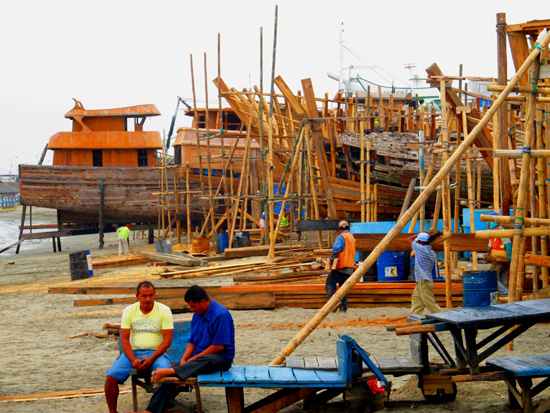

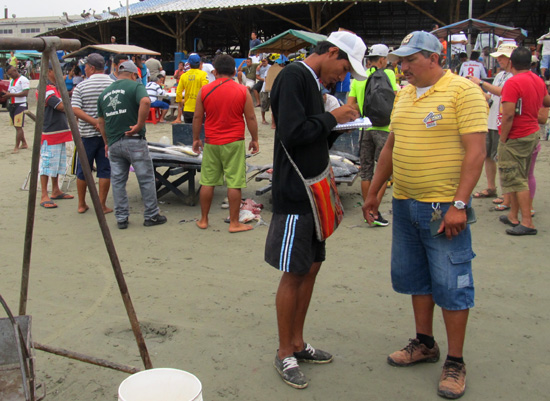
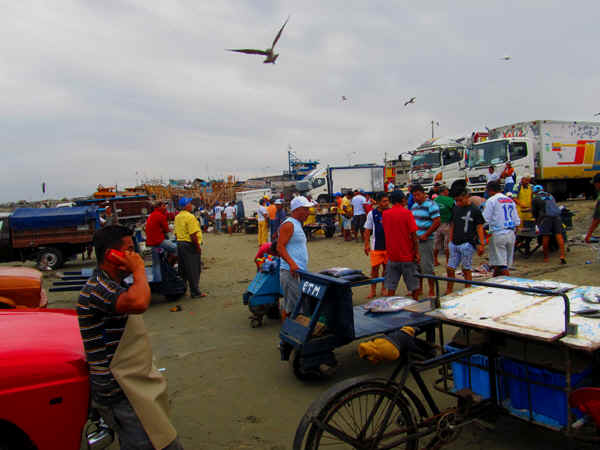
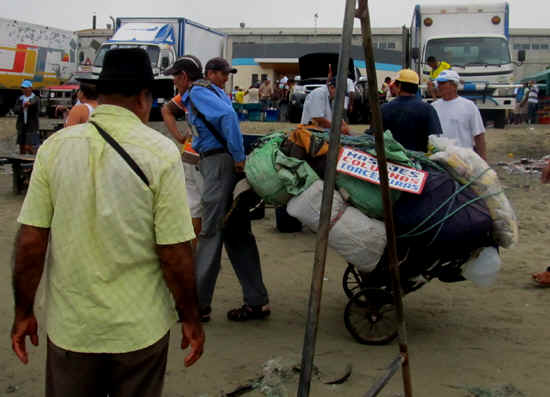
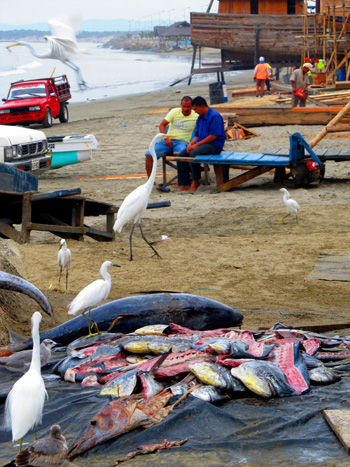
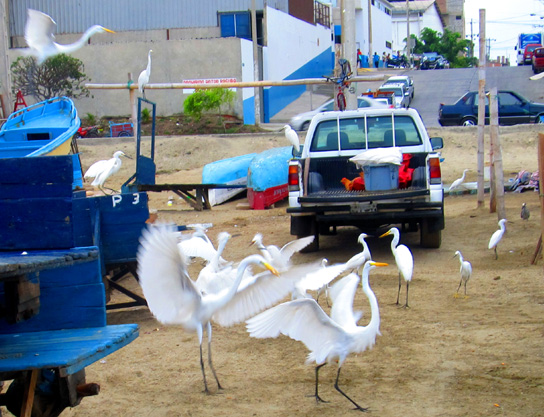
Right next to the far edge of the fish market (Note the blue
wheelbarrows.), although it's in a different town, the wooden boat
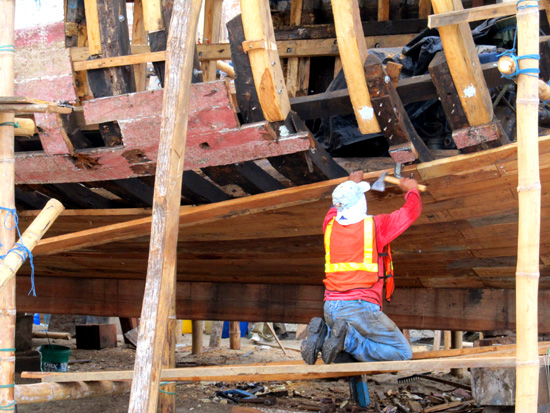
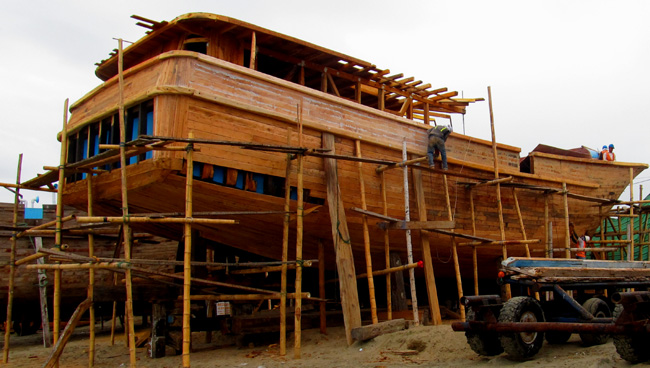
building operation begins. Boats old and new are propped up
with wooden beams and scaffolding is made from large bamboo poles.
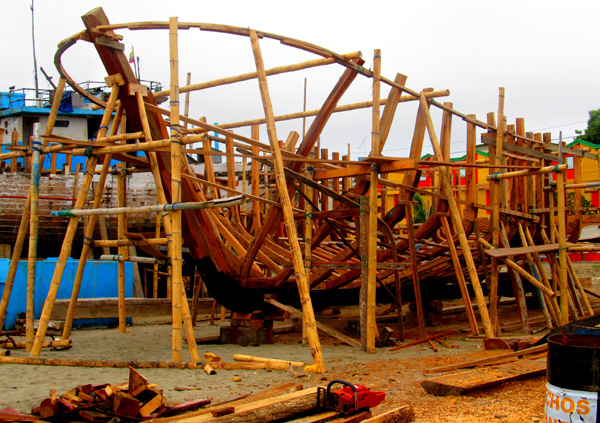
A new wooden boat...


New planks are fashioned from logs with chainsaws.
 

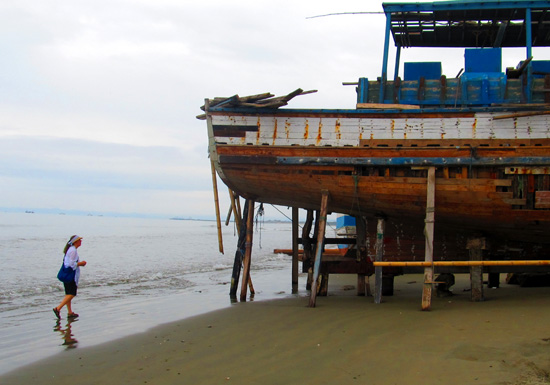
A repair job underway matches up the new planks within the existing
structure. Some of the boats seems precariously close to the water.
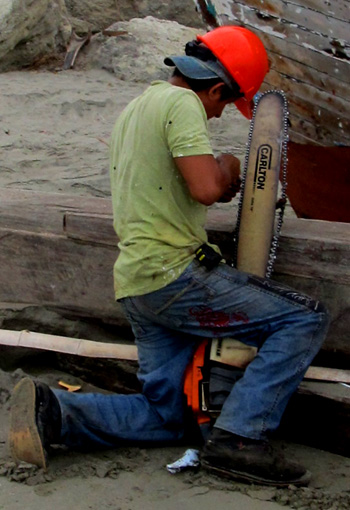

The chainsaws require sharpening on a regular basis.
 
Carving a keel from a log is labor intensive. The bow shaping
done here is done with adzes, the ancient methods.
A power sander provides a smooth finish.

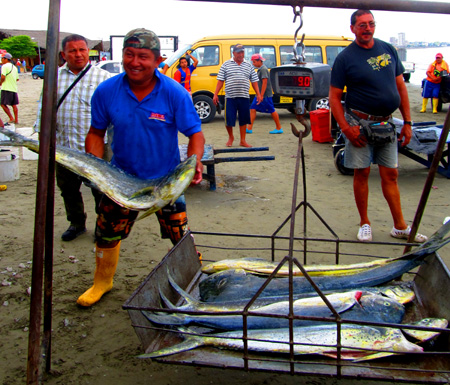
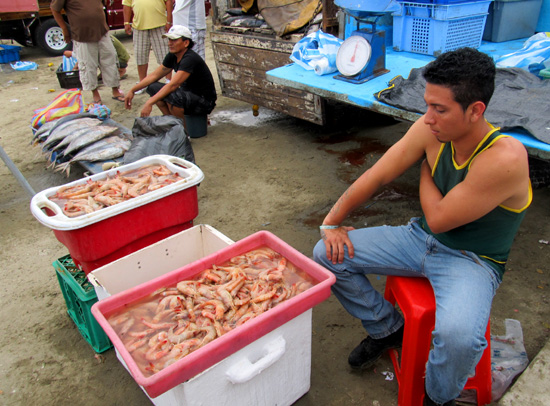
We walked through the fish market again on the way back to catch a
bus. Even just a half an hour or so later, it had calmed way
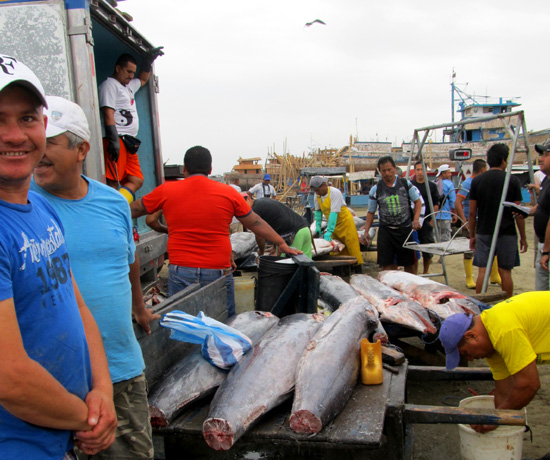
down. We were so glad we got to see it in its full chaos.
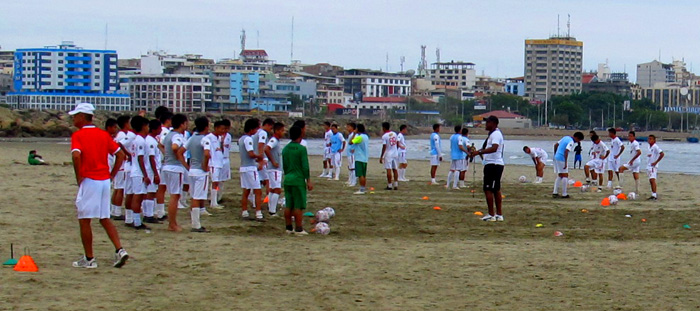
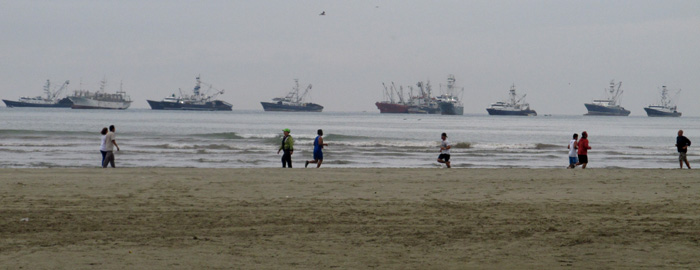
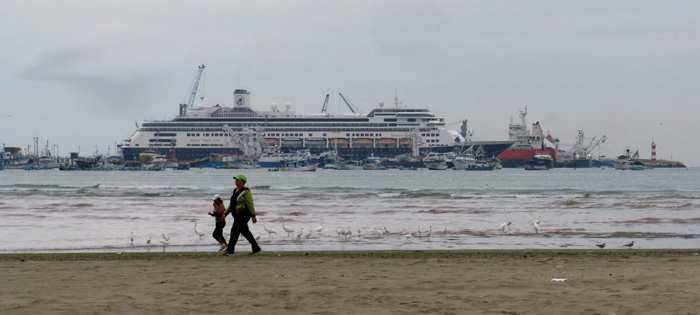
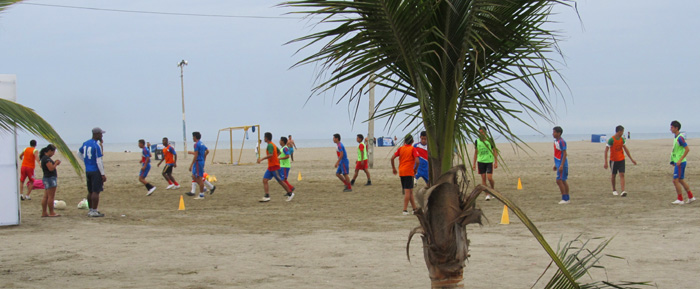
Serious soccer practice had taken over the beach where only walkers
had been earlier.
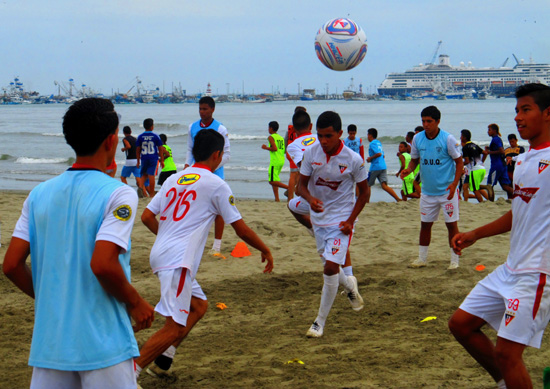
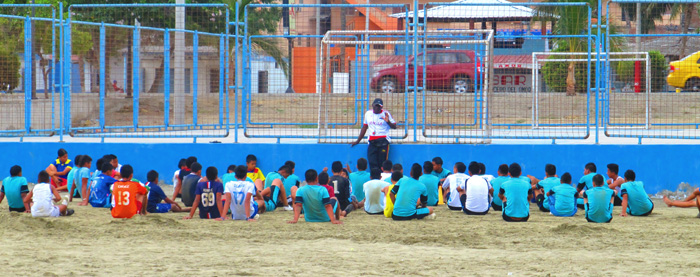
We think that some of these players will be the future stars of
Ecuador's national team.

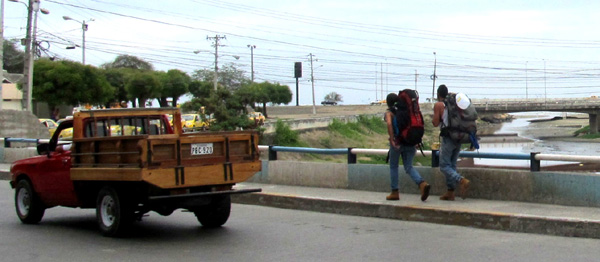
A monument to fishermen is close to the river crossing. The river
smelled of sewage. We head to our left to find a bus to Montecristi,
a town at the edge of a mountain.
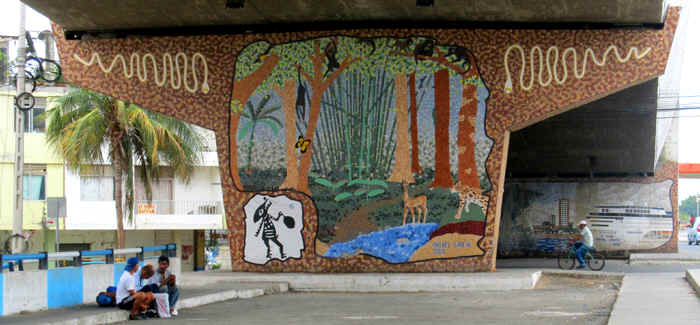
On our way, we were surprised to see giant mosaics covering the
supports for an overpass.


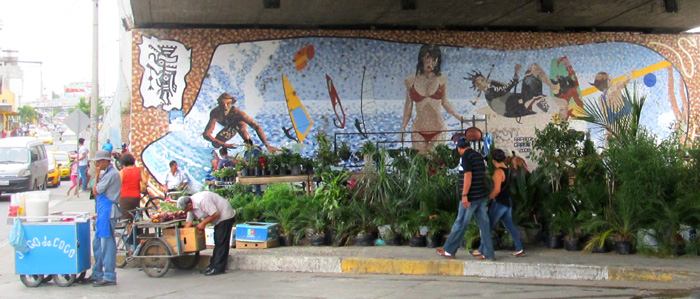
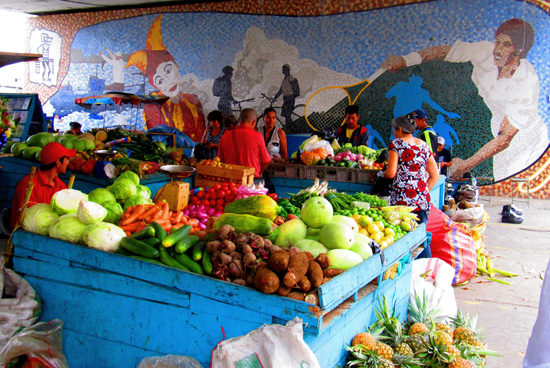
There is a market under this end of the overpass.
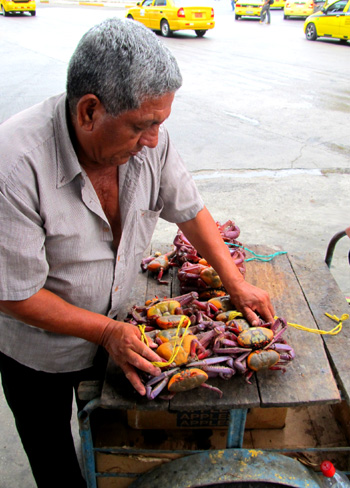
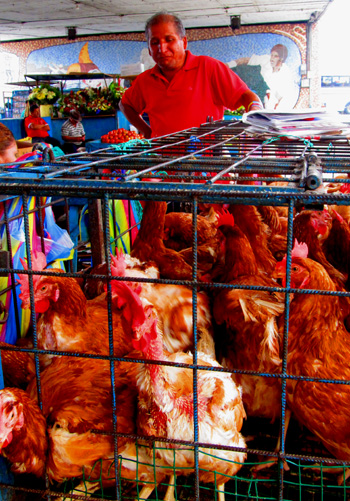
This man is tying his live crabs together. Several crates hold
chickens that are for sale.

The chickens have had their beaks rounded, to reduce damage due to
pecking.
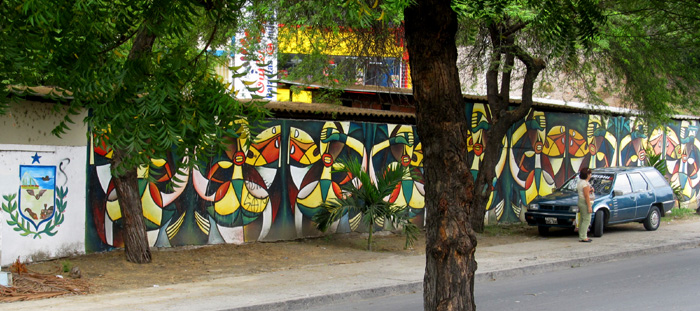
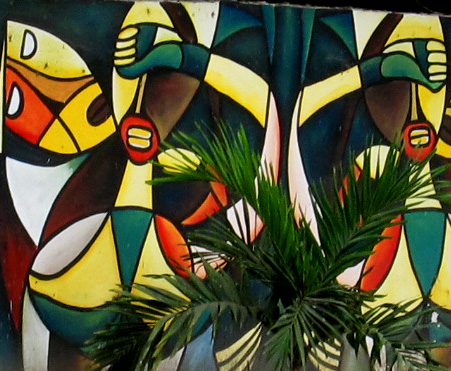
We boarded a bus headed toward Montecristi and took some photos
through the open window. We thought this was an interesting mural.
 
This giant hat-weaving lady mosaic-covered statue occupied a traffic circle as we
approached Montecristi. The main road to this town is the Avenue of the 4th
of November.
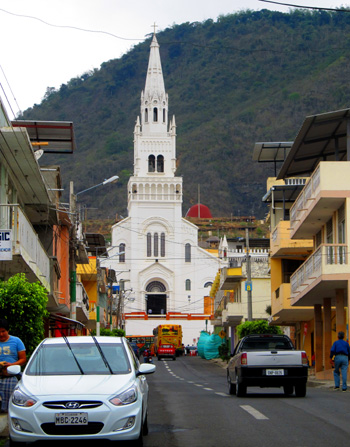 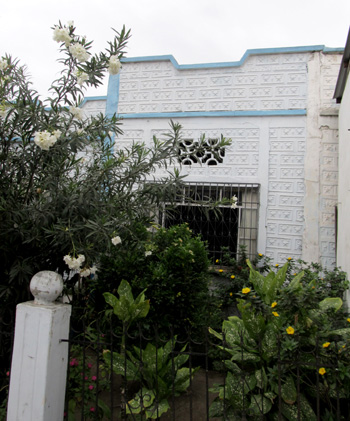
We walked up the road to the church. On the way we saw a house with
a lush garden, ...
 
... a house with twirly columns, and a bar or restaurant with a Day
of the Dead mural.


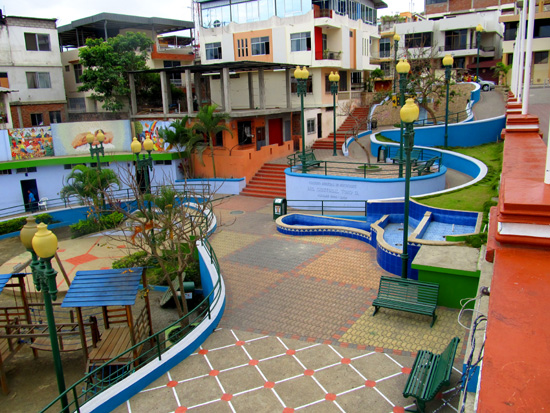
A park adorned with some traveler's palms and a bust of Eloy Alfaro,
who according to the plaque was the father of the liberation of
Ecuador.
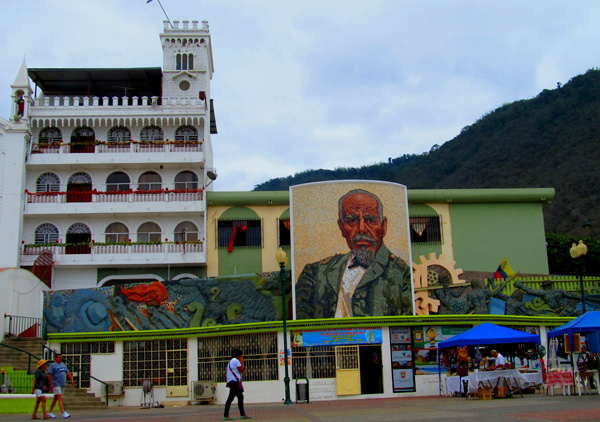
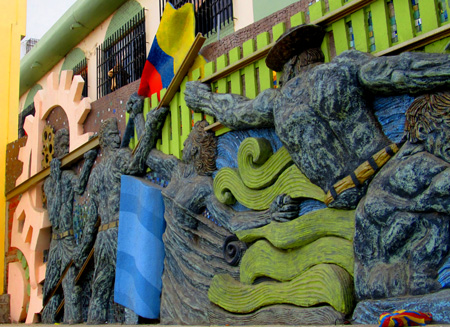
This extensive 3-D mural was next to the church.
 
Before we headed up to the church, we turned right for a short walk.
An old fire truck dating back to the mid 1800s and a modern car with an
interesting detailing job.
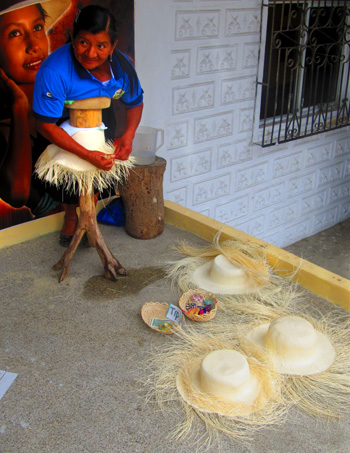
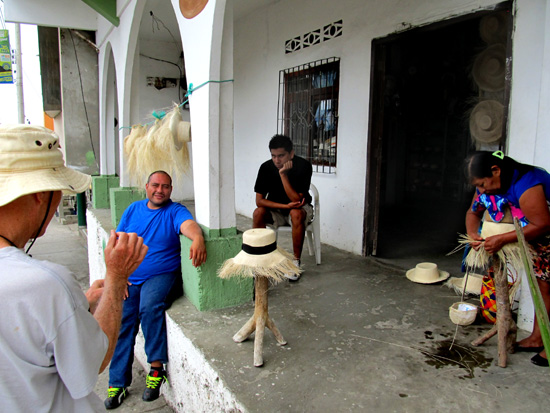
There were a couple hat shops where hat weaving ladies were on
display. The Panama hats originated in Ecuador. Dean talked with
this guy, a Canadian expat, about where to see the processing of the
fibers. He told us that it no
longer happens in Montecristi, but there was another fiber processing
operation at a village up the road from the coffee factory that we
passed on the way from manta—we'd smelled the aroma from the
bus.
 
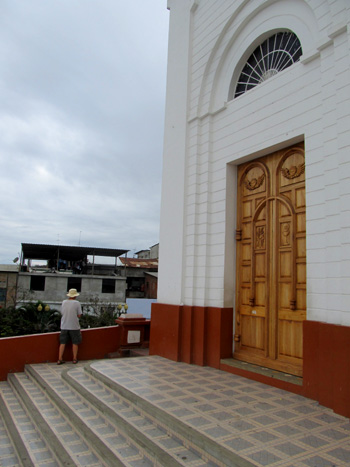
We headed up the tiled stairs to the church.
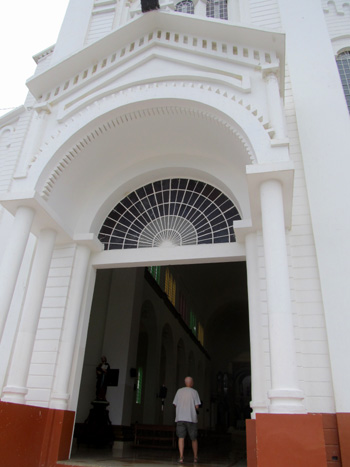 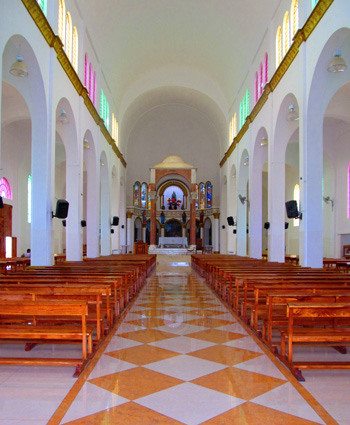


This is a Catholic church, but we'd not seen a church with the body
of Jesus or such public confessionals.
The ceiling art and Dean was taking photos of the Mother Park next
door.

 
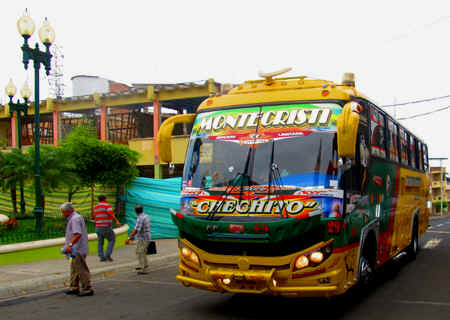 : : 
One of the Montecristi buses: they are hard to miss. We walked on
down to the main road to catch a bus back.

The main road from the bus window shows the local shops and the
street vendors selling pretzels car to car.
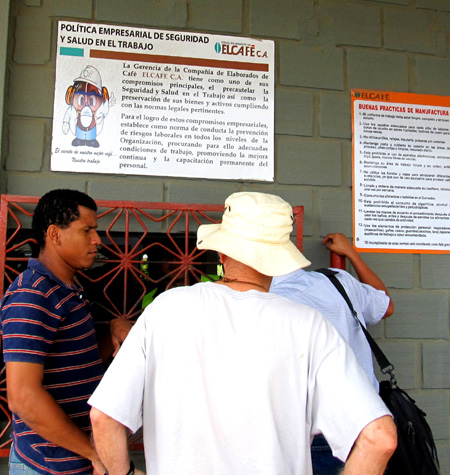 
We got off the bus and stopped at a gate to the coffee factory to
ask about a tour—none were available. Just outside the gate a
couple of guys were tying down the load of pallets and other scrap
lumber from the factory.

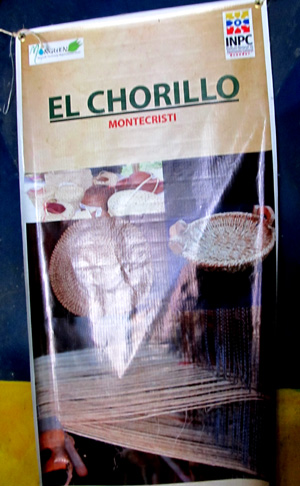
We started walking the mile and half up to the village and saw these
guys shoveling coffee grounds into their truck. They said it was for
their garden and since there were acres of it, it's a never-ending
supply of free mulch/humus for them. We were happy when someone
offered us a ride the rest of the way up to the village. There was
no sidewalk and it was hot and fast trucks kicked up a lot of dust.
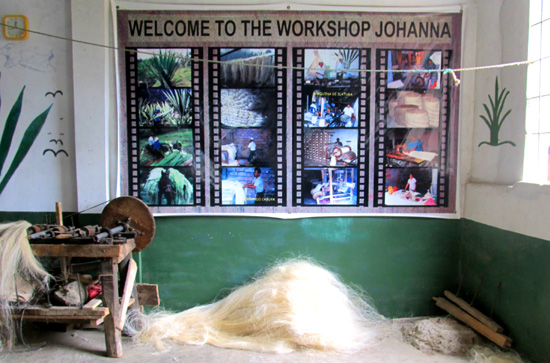
We found the area where they process fibers from a type of agave
plant.
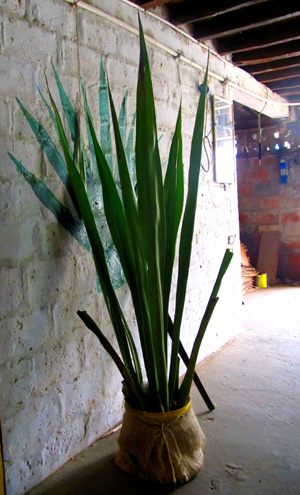

First they strip the soft parts of the leaf away leaving only the
fibers (xylem).
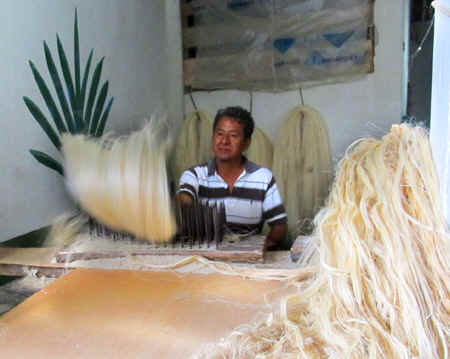

The fibers are dried and then carded like wool.


Then it is spun into a coarse, jute-like twine.
 
The spools of twine are fed into a loom.
 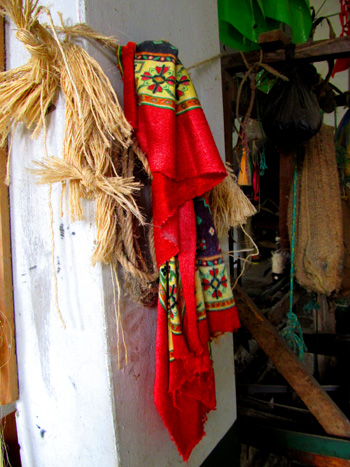
The loom is powered by a foot treadle. This guy was weaving a bolt
of something that looked like a natural colored burlap with a red
stripe down the middle. What fun. We were the only tourists in the
village, but fortunately for us, there was a driver who would take us back
to the bus stop for $1.
|