|
 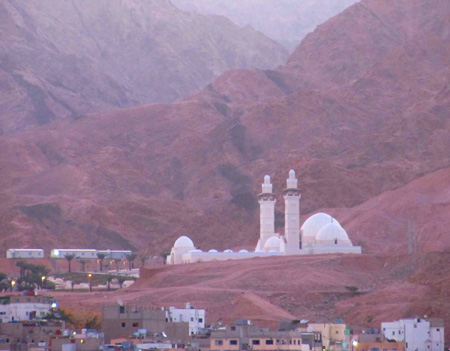
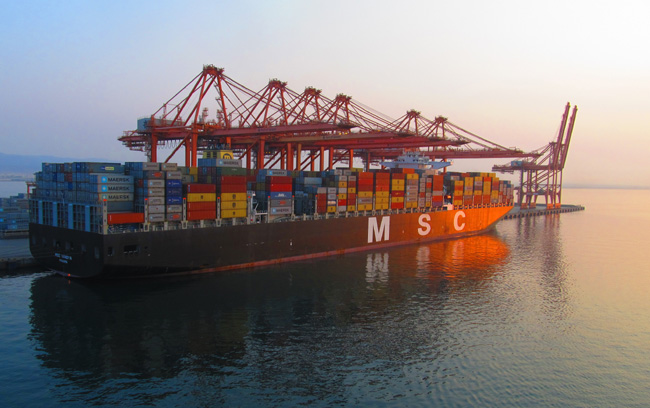
We watched the early morning sail in. Countries are very close
here in the Gulf of Aqaba with Egypt to the south and Israel
to the north. Egypt is on the African continent while Jordan
and Israel are on the Asian continent.
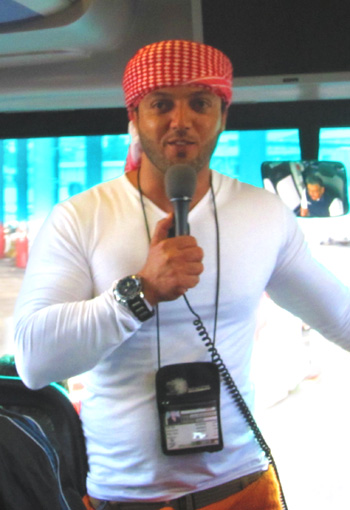 
We took a tour with Charlotte Holland to Petra, another World
Heritage site. Adnan, our guide, was well informed and stopped
the bus at this poster showing the line of kings. After King
Hussein (on the left) died, his son Abdullah
(Middle) became king. Next in line is his son Prince Hussein.
We learned a lot in the 2-hour bus ride to Petra.


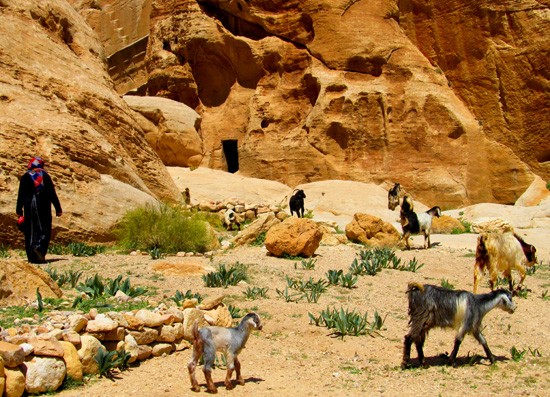
A Bedouin with his goats has the right of way across a divided
highway.
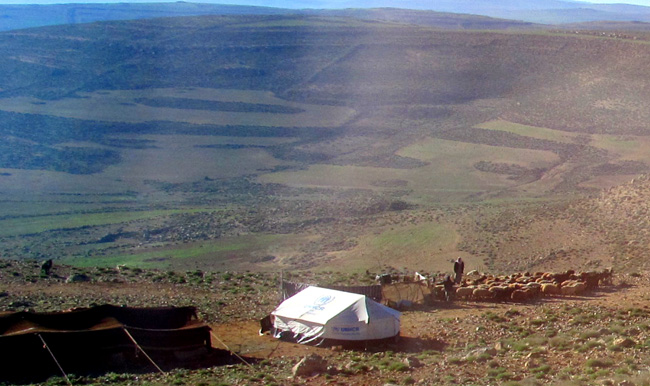
Adnan told us that while many
Bedouins have houses, they also tend to their goats or sheep
as they've always done.
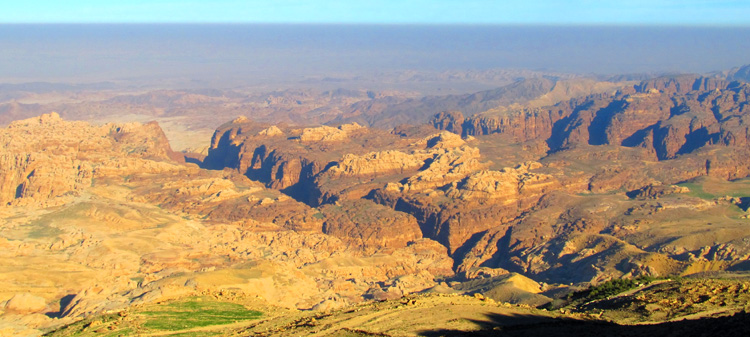
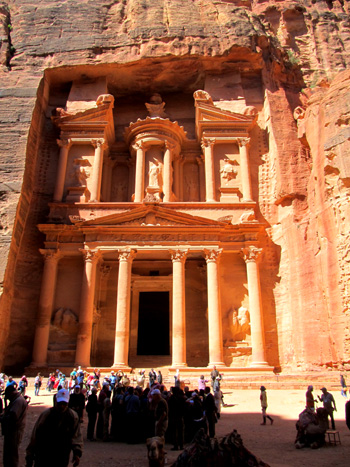
The rift in the rock is the entryway into Petra, a city that
was unknown to the western world for many centuries.
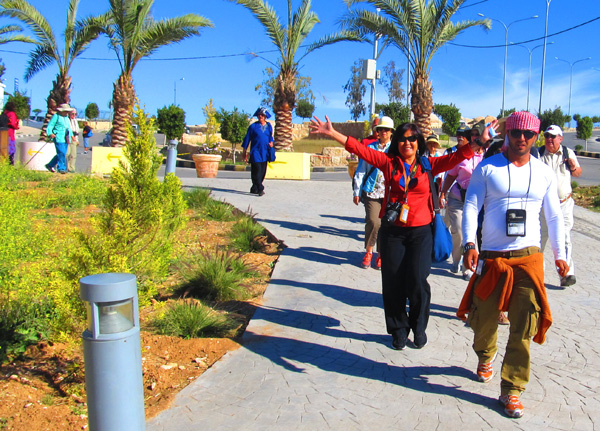
Here's our group with Charlotte following Adnan. We didn't stay
with the group for long. We walked ahead.

On a sign at the entrance to Petra
(with my annotation) was built (carved) as far back as the 3rd
century BCE and was "discovered" by a westerner in
1812. This was an important cross road of trading routes.
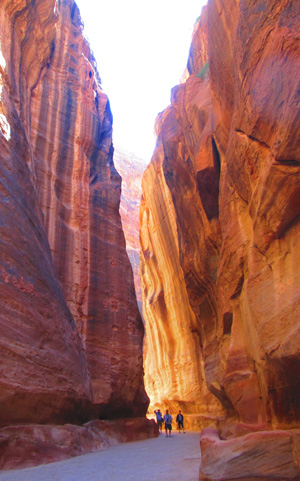
The hike into Petra is divided into three distinct parts: Visitor
Center to The Siq; Inside the Siq itself (the siq is a narrow,
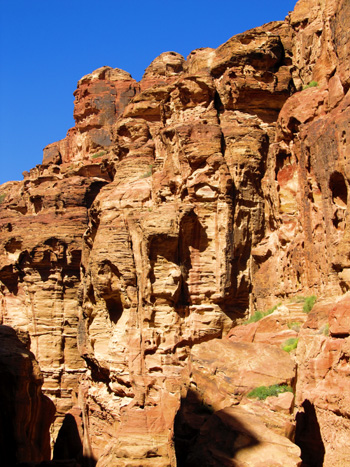
water-cut passage through about a mile of sandstone, whose walls
rise nearly 300 feet above you); and then into Petra itself.
If you walk just into the middle of Petra, you'll end up doing
about 4 ½ to 5 miles round trip.
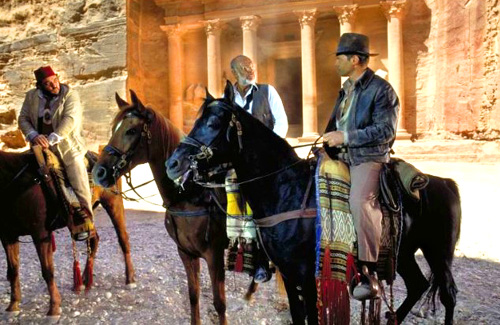
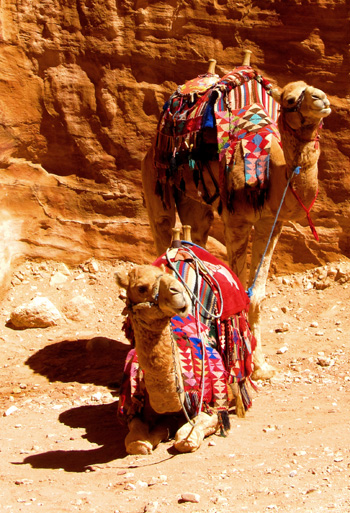
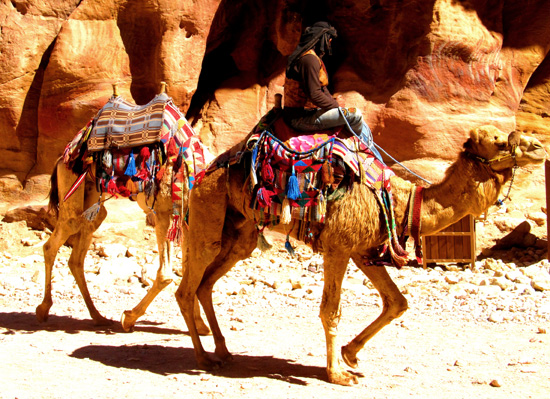
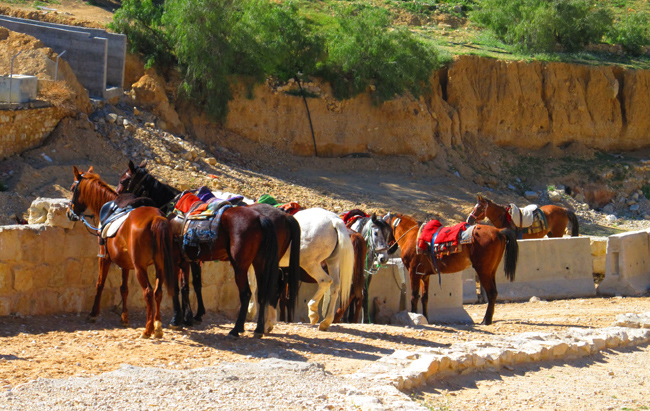
Horses with colorful saddles await riders for the first section
of the trip to the entrance of the Siq. We walked.

Horse-drawn carriages were available for the whole ride to the
beginning of the city. Here a growing family has ridden in a carriage
out of the city up to the Visitors Center. Some people in our
group hired carriages so they would not have to walk.


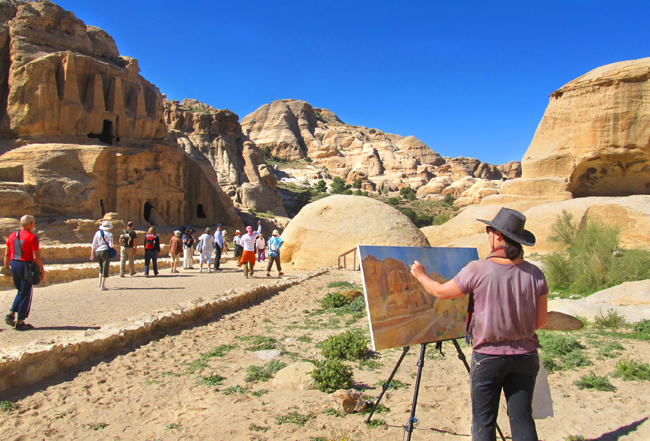
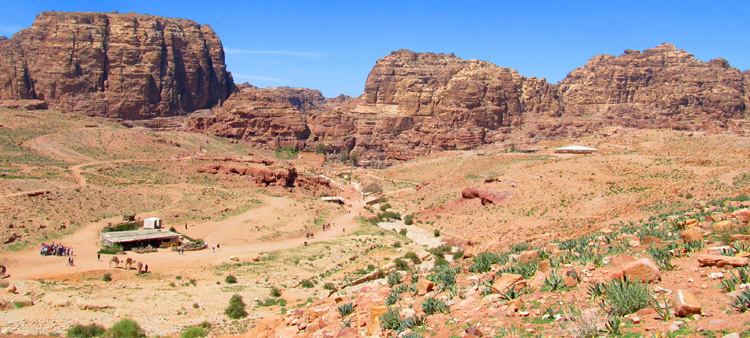
We are still on the first part of the walk in because this was
still open landscape, which reminded us of some of the US badlands
and painted desert that we've seen, but of course no one had carved
tombs and cities into them.
 
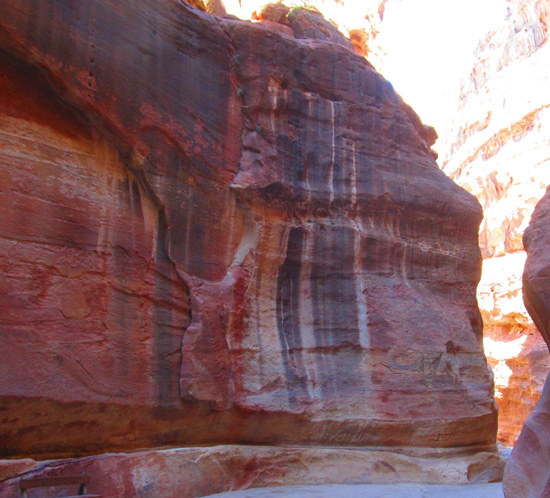
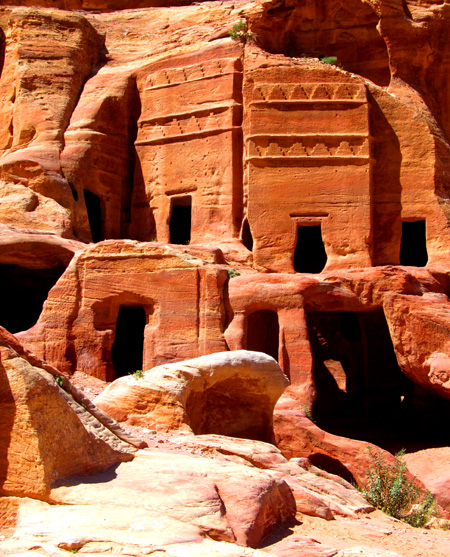
The writing is on the walls.

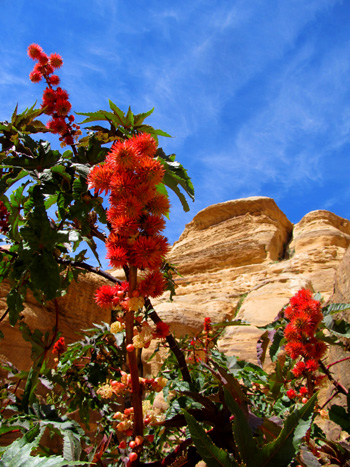
I thought that these might be tulips since they are native to
the region, but no. These were sea squills (Drimia maritima),
which develop a large spike of white or pink florets.
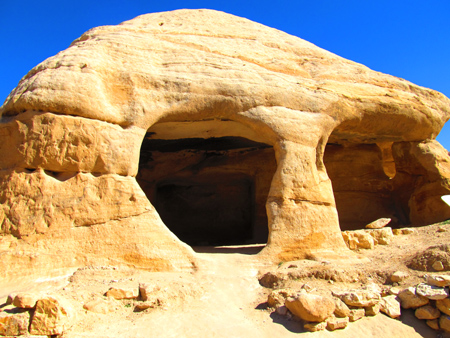 
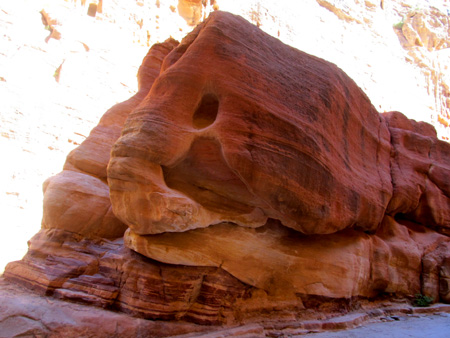
This cave reminded us of skull rock that we saw in Joshua Tree
National Park 0n our 2009
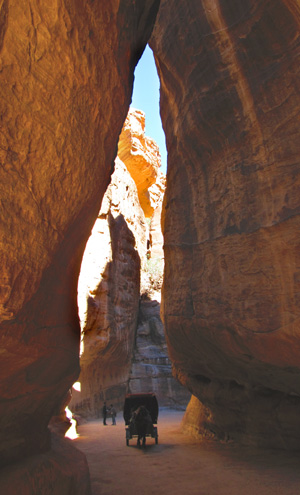
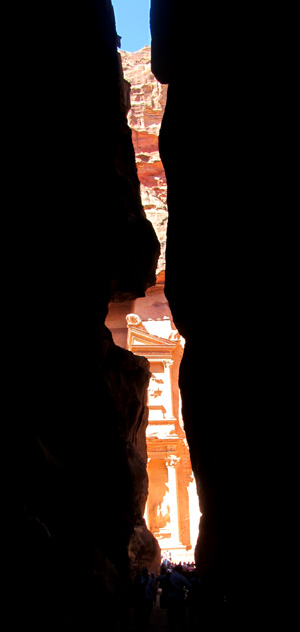
adventure to the US southwest. At last we entered the siq.


A dramatic entry point...
 
Dean is mock-blocked from entering the siq and looking back
toward the entry point.

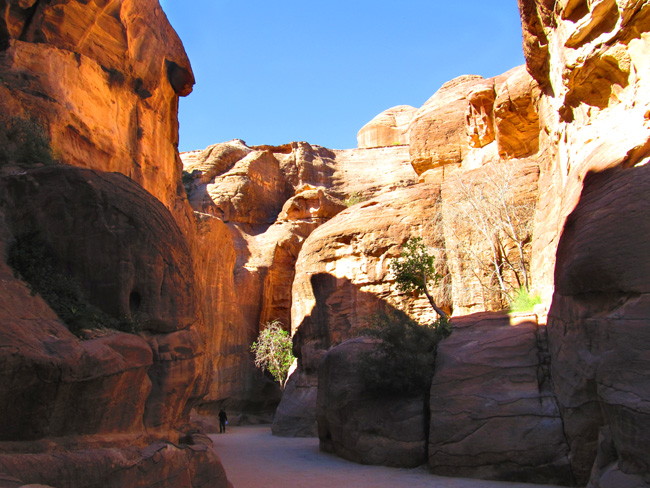
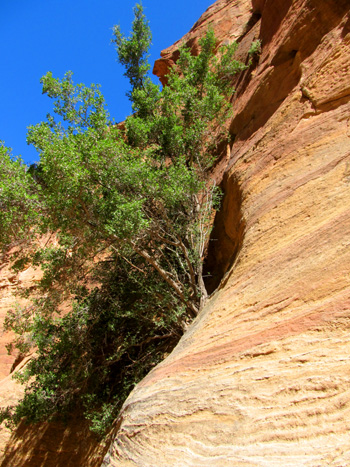
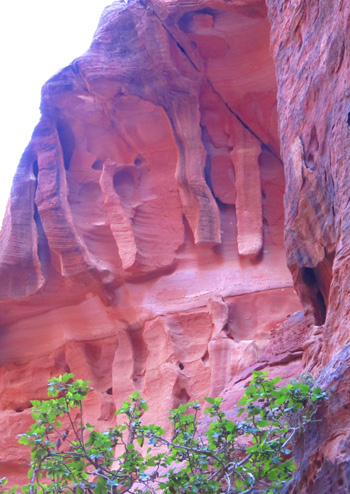
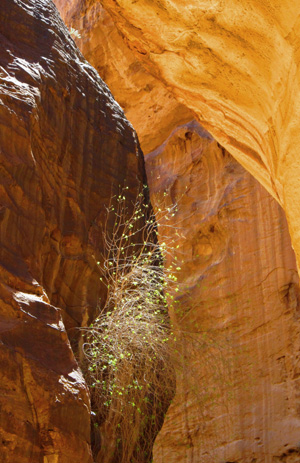
Trees grew from cracks in the sandstone.
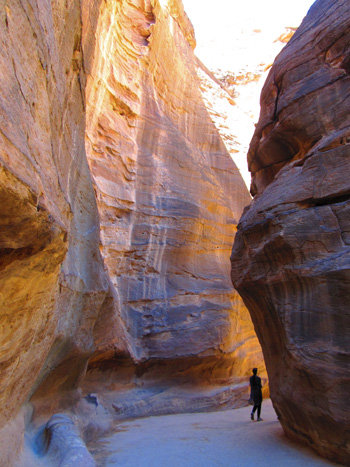 
An aqueduct had been constructed on each side of the siq to carry
much-need water to cisterns. The water supply here in the desert
was one reason it became a crossroads in ancient times.
|